Mostly like, artificial intelligence is the most talked-about topic today. Everyone discusses it, but not everyone fully understands what it is. We propose to look into it right now. So, what exactly artificial intelligence is?
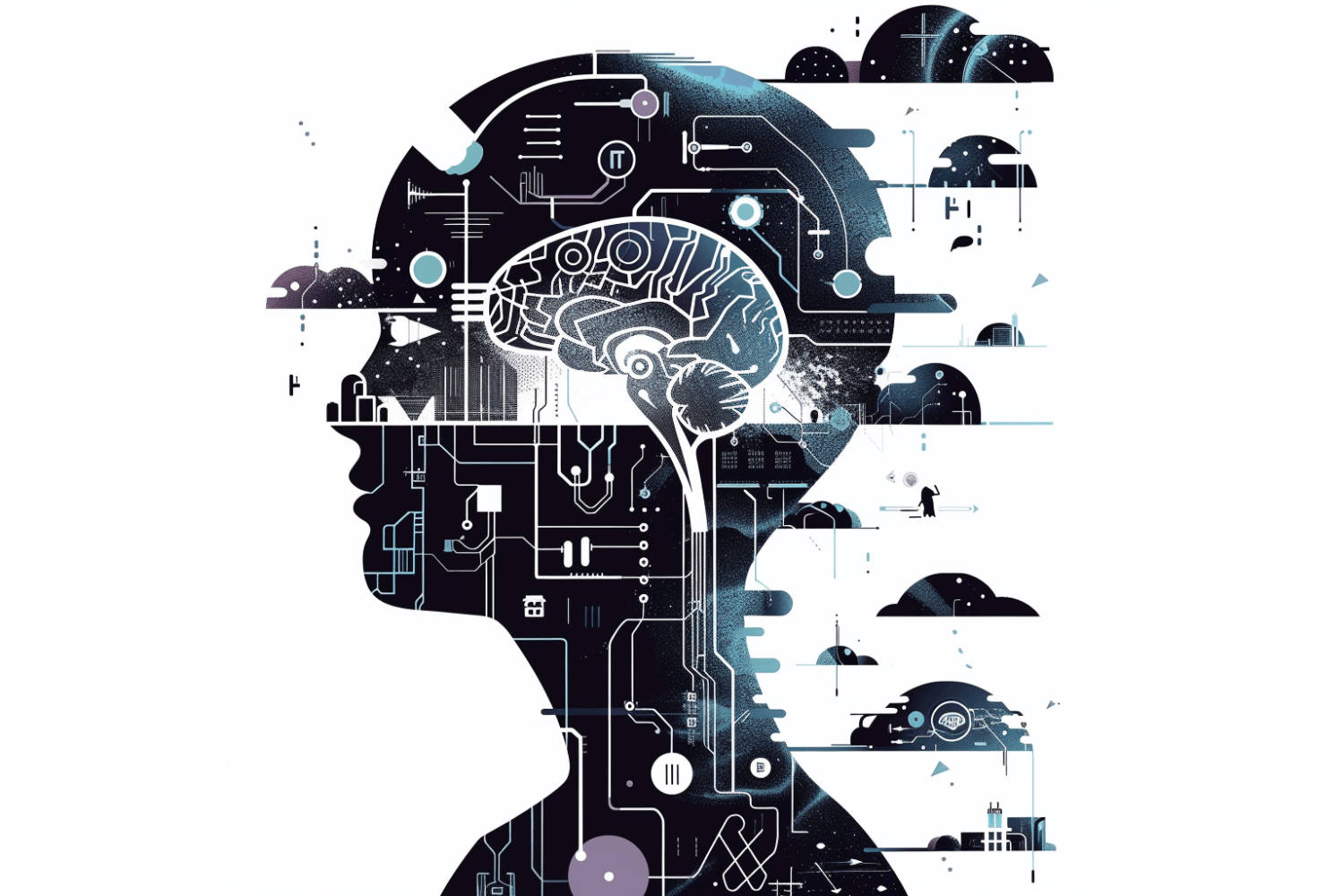
Artificial intelligence, or simply AI, is the simulation of human intelligence processes by machines, such as computer systems. AI is used in many technology-driven industries, such as health care, finance, transportation, and much more.
Based on its capabilities, AI is classified into three types: weak AI, strong AI, and super AI. What is their difference?
Weak AI сoncentrates on a single task and operates within predefined limitations. This type of AI is commonplace in our daily lives, performing tasks like facial recognition, internet searches, or self-driving cars.
Strong AI is more advanced than weak one. It has broad cognitive abilities and can solve more complex tasks.
As for super artificial intelligence, it’s like the next level of the future! It’s a powerful level-up because it surpasses human intelligence and can perform tasks better than humans. This type of AI holds great potential in various fields, including creativity and autonomous problem-solving.
We might not even notice it, but AI has been among us for a long time. Here are some examples of nowadays AI integrations:
- ChatGPT: Nearly everyone knows what it is! Shortly, it’s like a conversation with a smart computer. You ask it questions, and it provides answers.
- Electronic payments: AI is used here to protect our money. It recognizes our face and language to allow only legitimate payments.
- Facebook Meta: Thanks to AI and human moderation, FB can recognize images and combat spam.
- Netflix: Without AI on the Netflix platform, we wouldn’t receive recommendations for the «watch next». Thanks to algorithms, Netflix knows what we’ve already seen, so it knows what to suggest to us next.
- Google Translate: The coolest assistant that helps us when we need to translate something between languages.
- Virtual assistants (e.g., Siri and Alexa): Our virtual friends who help us with daily tasks like setting reminders or internet searches.
- Google Maps: Thanks to AI, we know about the best routes and real-time directions.
- X (previously Twitter): X integrated AI to provide personalized news and tweets based on individual preferences.
- Tesla: Magic tricks! Tesla uses AI to control cars.
- Amazon: Here’s how we get recommendations on what to buy. Thanks to AI, Amazon knows what we want before we search it!
- Instagram: Determines which content is most relevant to each user based on their past actions.
Like everything around us, AI has its pros and cons. So, let’s start with the advantages of AI, which greatly make our lives easier.
1. Reduced human errors: One significant advantage of artificial intelligence is its ability to significantly reduce errors and increase work accuracy. This is very important in medicine, where robotic surgical systems help surgeons do the operations better and safer.
2. 24/7 availability: Despite human productivity cycles, AI works continuously and simplifies boring tasks. A good example is a support online chatbot that offers 24/7 availability and provides uninterrupted customer service regardless of time and location.
3. Innovation: Thanks to AI, many cool and revolutionary inventions have already been made. For example, early cancer detection or self-driving cars.
4. Unbiased Decisions: Human beings are driven by emotions, whether we like it or not. AI, on the other hand, is devoid of emotions and highly practical and rational in its approach. A huge advantage of Artificial Intelligence is that it doesn’t have any biased views, which ensures more accurate decision-making.
5. AI in risky situations: AI can perform risky tasks independently, minimizing danger to humans. Examples include bomb disposal, space exploration, and deep-sea research.
6. Everyday use: AI improves everyday life through digital assistants and navigation tools, offering convenience and efficiency. The best examples are Google Maps and voice assistants like Siri or Alexa.
Now, let’s take a look at some drawbacks of AI.
1. High costs: Developing AI technology requires significant investment of time, resources, and infrastructure.
2. Make humans lazy: Increased dependence on AI can lead to decreased brain activity.
3. Lack of creativity: Artificial intelligence can’t think creatively or outside predefined parameters.
4. Unemployment: The implementation of AI may lead to job displacement in certain sectors.
5. Ethical issues: AI raises ethical dilemmas regarding confidentiality, bias, and the potential for misuse.
6. No improvement: Artificial intelligence cannot spontaneously improve or adapt without manual intervention.
What does the future hold if AI continues to evolve?
However, it’s important to note that forecasting the future development of artificial intelligence is based on assumptions and assessments of current trends and achievements. So:
- Deeper integration into everyday life.
Most likely AI will be in everything and anywhere – from smart homes to personal healthcare systems. This will simplify many things and make our lives more convenient.
- Continued medical breakthroughs.
Artificial intelligence will become a big player in medical diagnostic systems, helping to detect diseases early and providing personalized treatment.
- Improvement of autonomous systems.
Autonomous systems, such as self-driving cars and robots, will become more widespread and complicated. This will lead to changes in transportation, industry, and other areas.
- Ethical and social issues.
As AI advances, new ethical and social issues related to privacy, security, discrimination, and resource allocation will arise.
- Increased collaboration between humans and artificial intelligence.
Instead of displacing people from the workforce, artificial intelligence will be used to increase productivity in many industries.
- Special attention to security issues.
With the increasing dependence on AI, attention to security issues and protection against cyberattacks and abuses will increase as well.
Conclusion
Therefore, whether artificial intelligence is a friend or a foe is a decision for each individual to make. But it’s no secret that AI opens up many opportunities, and responsibilities as well. Society needs to remember and make sure that AI brings us a more positive impact on the future while minimizing risks.