What is SEO?
Search Engine Optimization (SEO) is a process that helps increase your website’s ranking in search engine results pages (SERPs), thereby gaining more organic traffic and improving Return on Investment (ROI).
Types of SEO.
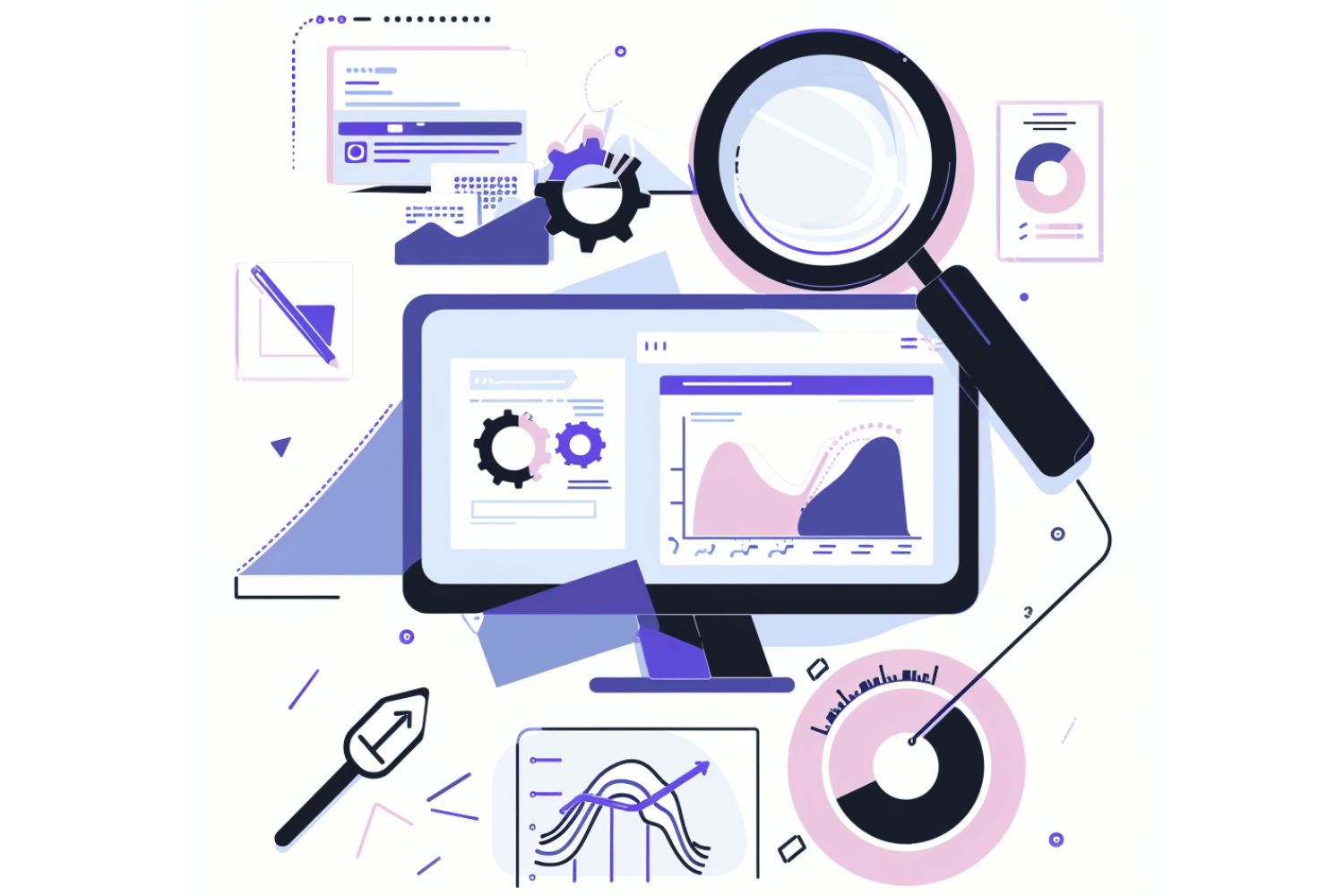
There are three main types of search engine optimization such as on-page, off-page, and technical.
- On-page SEO – anything on your web pages – texts, images, links, but most importantly, it’s not about their quantity, but their quality and uniqueness.
- Off-page SEO – everything that happens outside your website and helps your SEO strategy. For example, backlinks are links leading to your site from other resources, social networks, etc.
- Technical SEO – any technical measures aimed at improving search ranking, namely: optimizing page loading speed, ensuring convenient display and functionality of the site on mobile devices, solving indexing issues, installing correct technical tags (e.g., meta tags), and the like.
However, like any marketing approach, SEO websites have their advantages and disadvantages. Let’s take a look at them now.
Pros of website SEO optimization:
1. Improving website ranking.
SEO optimization helps websites rank higher in search results pages, resulting in increased visibility and accessibility to potential customers. A high ranking gives authority and trustworthiness in the eyes of users, which leads to more clicks and conversions. Conversion is the achievement of the desired action (purchase, app download, subscription, registration, etc.) from visitors or users, thereby turning them into a client.
2. Increased online visibility.
By choosing relevant keywords and optimizing your website content, the page will appear prominently for relevant search queries. Enhanced visibility not only stimulates organic traffic but also increases brand recognition among the target audience.
3. Sustainable growth of organic traffic.
Unlike paid advertising, which requires ongoing investment, SEO can lead to long-term, consistent traffic growth. Once a site achieves a favorable ranking, it can attract organic traffic without significant ongoing costs.
4. Targeting the right audience.
Keyword research allows businesses to understand the intentions and benefits of their target audience and helps adapt their content to effectively meet their needs.
5. Cost-effectiveness.
Compared to traditional advertising methods such as print or TV advertising, SEO offers a cost-effective way to reach a wider audience. Although implementing SEO may require initial investments, the long-term benefits often outweigh the costs, leading to a higher Return on Investment (ROI).
Cons of website SEO optimization:
1. Time-consuming.
SEO optimization is a continuous process that requires time and effort to achieve results. It may take weeks or even months to see significant improvements in website rankings and traffic.
2. Constant change.
The SEO landscape is constantly evolving, and search engine algorithms undergo frequent updates and changes. Therefore, you need to keep up and constantly adapt and revise strategies to stay ahead.
3. Depending on external factors.
Backlink building often relies on external websites, where businesses have limited control and may find it difficult to obtain high-quality backlinks from reputable sources.
4. Risk of “black hat” tactic.
In their quest for quick results, some businesses may resort to unethical or “black hat” SEO tactics, such as keyword stuffing or purchasing links. Engaging in such practices can lead to penalties from search engines, resulting in a decline in website ranking and damage to reputation.
5. Difficulties with measuring ROI.
Unlike paid advertising campaigns, which offer clear metrics for tracking ROI, measuring the effectiveness of SEO can be challenging, as tying specific outcomes such as conversions or sales directly to SEO efforts is often impossible.
Conclusion.
Despite all the positive or negative factors of search engine optimization, SEO is one of the most important marketing tools, which, even after the optimization work has stopped, continues to influence the website’s promotion and its ranking in the search engine. However, it is also important to remember that algorithms are constantly changing and improving, and with them, your website should be optimized and modernized.