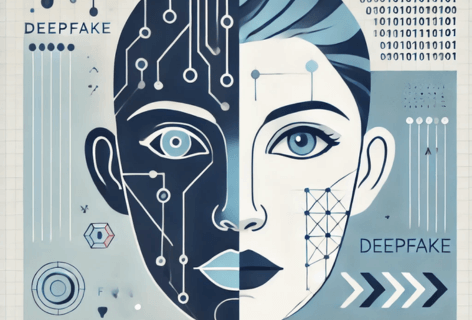
In a rapidly developing world, artificial intelligence (AI) has long been not only science fiction but also an integral part of our everyday lives. One area where AI’s impact is particularly noticeable is art and culture. New technological solutions based on intelligent algorithms are transforming traditional approaches to creativity and entailing interesting changes in the cultural landscape.
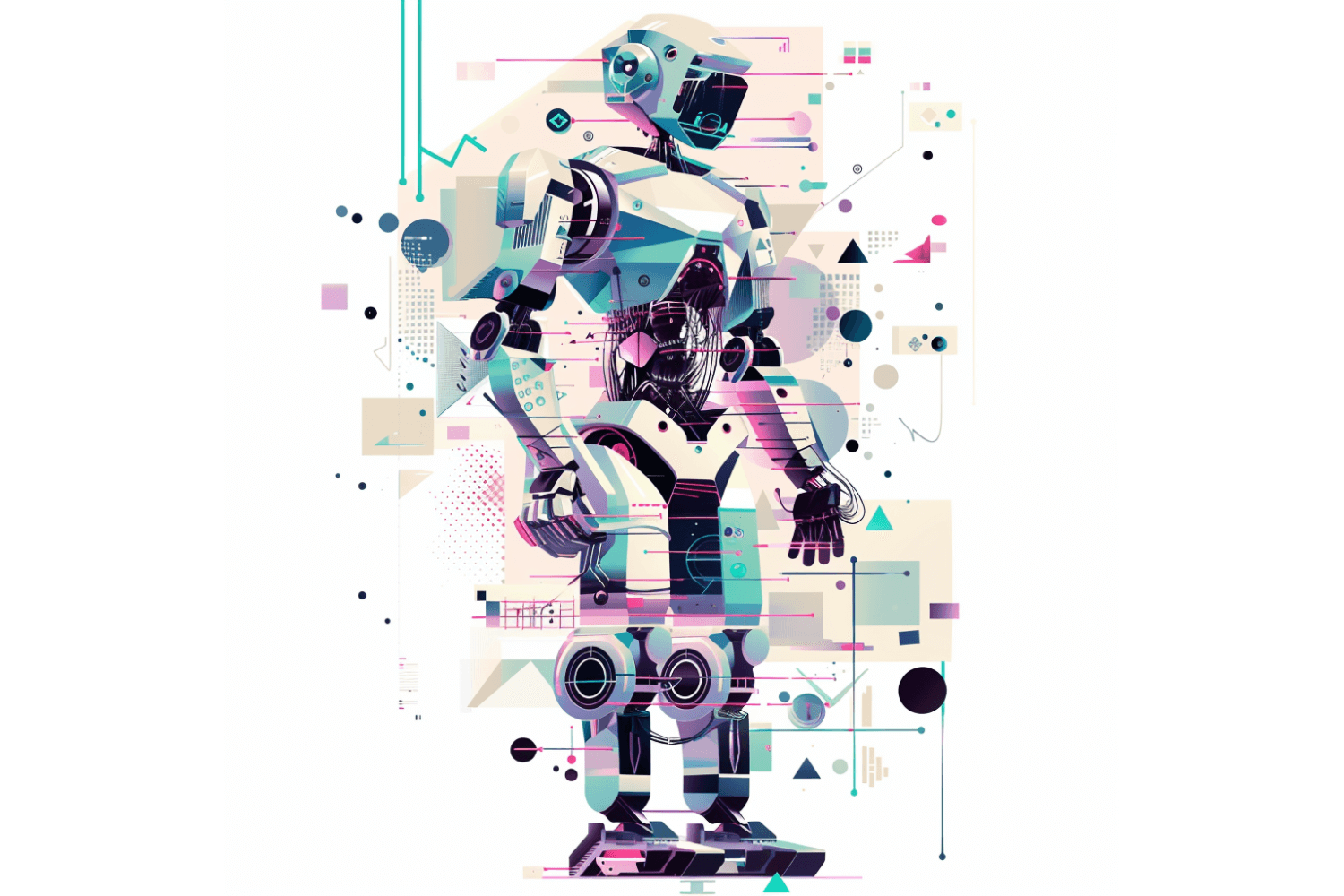
Let’s start with examples where artificial intelligence intertwines with art and culture.
- Creative works based on artificial intelligence.
Artificial intelligence is used to create works of art. For example, computer algorithms can generate unique musical compositions, drawings, or even literary texts that open up new possibilities for creativity.
- The art of deep learning.
Artificial intelligence and profound learning technologies allow artists to create impressive visual effects. For example, deep neural networks can analyze images and create new, unique effects that captivate the viewer.
- Generation of artistic styles.
Artificial intelligence can analyze the style and technique of famous artists and create new works in their style. It helps artists learn different techniques and experiment with various art styles.
- Art based on user feedback.
Some artificial intelligence systems use data analytics and machine learning algorithms to analyze user reviews. This helps artists understand how their works are perceived by viewers and improve their creative skills.
- Virtual art and reality.
Artificial intelligence allows you to create virtual and extended reality. This opens up new opportunities for interaction with art and promotes creativity and imagination.
- Computer applications for creativity.
Some artificial intelligence programs create interactive interfaces and tools to assist artists in a more efficient creative process. For example, programs for generating music or visual artwork based on artificial intelligence algorithms.
- Art and virtual assistants.
Artificial intelligence can also act as a virtual assistant for artists, giving them access to information, educational materials and creative tools. This helps improve the artists’ skills and ensures their ongoing support.
- Analysis of emotions and impressions.
Artificial intelligence can analyze emotions and impressions, helping artists better understand their viewers and create more engaging works.
These examples show how artificial intelligence and art interact and interconnect to create new creative opportunities and enrich the cultural landscape. However, their collaboration also has negative sides that should always be remembered. Now we will look at them:
- Replacement of human creativity.
One negative aspect of artificial intelligence’s influence on art is the possibility of replacing manual creativity with algorithms. A machine can create some fantastic art pieces but lacks the uniqueness and emotional depth that only humans can impart.
- Impact on the labour market.
Using artificial intelligence in the arts could lead to fewer jobs for artists and creative professionals. Algorithms may become more efficient and faster at creating work, which may reduce the demand for manual labour.
- Simplification and standardization.
Artificial intelligence can simplify and standardize works of art. However, algorithms may favour certain patterns or styles, leading to a loss of variety and individuality in art.
- Ethical aspects.
Using artificial intelligence in the arts may raise ethical questions regarding authorship and ownership. Who owns the works created by algorithms? How can authorship be determined when a work is created by machines?
- Threat to creativity.
The widespread use of artificial intelligence can threaten creativity and individuality in the arts. If machines begin to dictate the creative process, this could limit the development of innovative ideas.
- Increased inequality.
Artificial intelligence in art may lead to increased inequality between artists. Those with access to advanced technologies and algorithms may have an advantage over those who do not have such capabilities.
So, the main question of this article is, does technology influence creativity and culture?
Yes, because the universe of art and technology is constantly changing. Artificial intelligence is gradually entering this area, providing new opportunities. The conclusion can be drawn is that the impact of artificial intelligence on art and culture is complex and multifaceted. On the one hand, this provides an opportunity for innovative experiments and the development of new art forms. Moreover, it raises questions of ethics, belonging and the loss of human contact with art. To ensure the development of art and culture in the future, it is essential to know how to maintain a balance between technology and creativity.